































Transitioning back to reality after a two-week break can be a challenging process. As we step into a new year, many of us are looking to reclaim our schedules or build new routines. To help transition, I’ve gathered some advice on easing back into a productive flow.
Sleep schedule
Preparing to head back to school often makes it difficult to find your rhythm, which is completely normal. One of the most important factors for a successful transition is sleep; it clears ‘brain fog’ and ensures you’re well rested for the long school day ahead. While many high schoolers stay up until 11 p.m. due to jobs or homework, studies show that teenagers need eight to 10 hours of sleep each night. In my experience, aiming for a bedtime between 9 p.m. and 9:30 p.m is the perfect time. It guarantees you get the rest you need, especially if you have an early morning start.
Studying for school
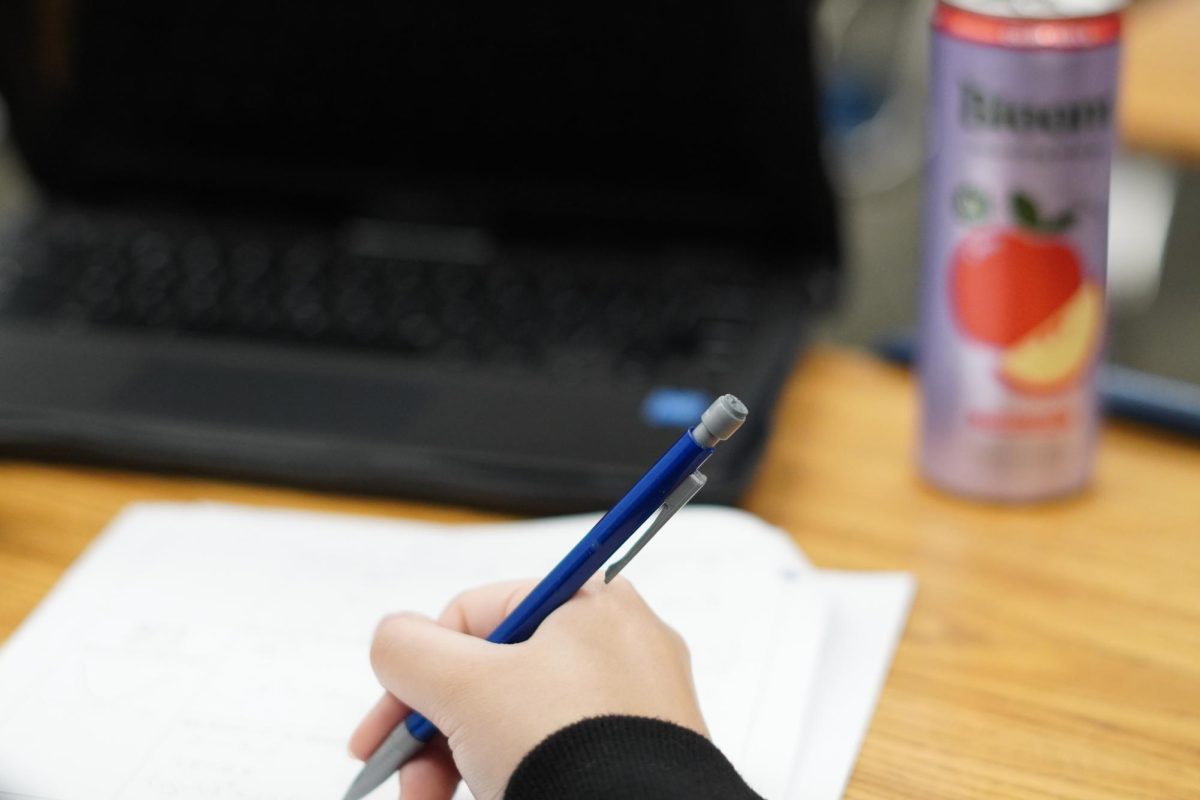
Let’s be real: most of us are already counting down days until the next break, especially now that the second semester is in full swing. However, staying on top of coursework is essential. If you’re like me, traditional studying feels impossible because of constant distractions; you aren’t alone. I’ve researched several professional strategies that make the process less overwhelming. For instance, try “associative learning” by playing a specific song for each subject to trigger your memory. You can also use “chunking”, which breaks larger topics into smaller sections, and scheduling your study block like doctor’s appointments can ensure you actually make the time for them.
Eating habits
After a long winter break and holidays, many of us find our eating habits have become a bit inconsistent. While it is fun to indulge in holiday treats and fast food, transitioning back to school is the perfect time to fuel our bodies with more nutrient-dense options. Here are some of my personal favorite breakfast ideas: Greek yogurt topped with fruit, granola and a drizzle of honey. If you’re looking for something more savory, you could try whole wheat toast with avocado and a poached egg. If you’re looking for something more on the go, try a high protein shake; there are many different protein shakes to choose from such as Premier Protein and Core Power, which come in many different flavors, such as cookie dough, birthday cake batter or even brownie. If you’re not a breakfast person, which is understandable, you could focus on a protein-packed lunch like tuna or chicken salad wraps. You can also experiment with many different salad options such as quinoa, caesar or caprese. For dinner, try to avoid those quick drive-thru stops and opt for a home-cooked meal like grilled or baked chicken, fresh vegetables and rice. Choosing whole foods over processed foods will keep you full longer and provide you with the energy you need to get through the school day.
Phone habits
With the phone bans now being in effect at many schools, many of us find it harder than ever to disconnect once the school day ends. We feel “deprived” of screen time during the day, which makes us have an urge to make up for those lost hours at night. This often leads to late-night scrolling that messes with your sleep schedule. To break this cycle, try putting away your phone 30 to 60 minutes before bed. If you still crave digital entertainment, consider swapping the endless ‘doom-scrolling’ for a movie or a specific show. This creates a clear endpoint for screen time, making it easier to put the device away.
Physical health
Returning to routine doesn’t have to mean falling back into old patterns; it’s also a perfect opportunity to build new, healthier habits, especially since it is a new year. Physical activity is a great place to start, and it doesn’t require an intense gym schedule. Even slight changes, like a 15-minute walk after meals or 30 minutes of light movement, can make a huge difference. Additionally, increasing your water intake is a simple way to improve mental clarity. Prioritizing your long-term health by avoiding harmful substances like drugs and tobacco will also significantly protect your vital organs, such as your lungs and liver, giving you more energy to tackle the semester ahead.
Mental health
Building a routine isn’t just about productivity; it’s also about finding joy through journaling and new hobbies. Journaling doesn’t have to be a chore; you can make it your own by adding stickers or using creative prompts from sites like Pinterest. Whether you’re using it for self-help or just to document your day, the goal is to be authentically you. Beyond writing, exploring activities like painting, dancing, or baking can be incredibly rewarding. I discovered a love for dancing quite by accident, and I’ve found that these creative outlets release endorphins that significantly boost your overall well-being.
Incorporating these simple things into your routine can ensure that you head into the second semester, along with the new year, refreshed and healthy. Remember, you don’t have to overdo it, you can always start one step at a time.