

























Polycystic Ovary Syndrome (PCOS) and endometriosis are two of the most common gynecological conditions that affect women and their everyday lives.
PCOS: what is it?
PCOS is where there’s a hormonal imbalance due to the ovaries creating excessive hormones, Particularly a hormone called androgens. This hormone is commonly found in men due to the characteristics that they hold such as stronger bones and helping red blood cell production.
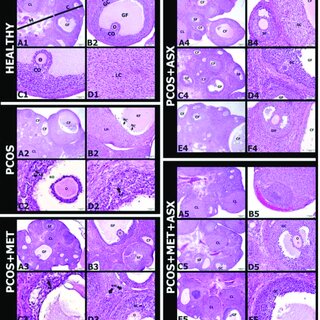
Excessive Androgens cause irregular menstrual cycles along with missed periods and unpredicted ovulation. PCOS can also cause one to have a cyst, this can sometimes lead to infertility due to rupturing cysts weakening your ovaries.
PCOS can’t be cured, however your doctor can help you manage your symptoms and help regulate hormones better.
Endometriosis: what is it?
Endometriosis is when the endometrium tissue grows on the outside of the uterus, normally near the ovaries or on the ovaries. Those cysts are called endometriomas (cysts filled with old blood). This tissue doesn’t shed compared to a normal lining in the uterus. This can cause cysts; the cysts can get up to as large as a basketball in rare cases, but are commonly one to six centimeters.
Those who do have endometriosis tend to be in pain a lot from the cysts, affecting everyday life. Similar to PCOS there is no cure, but doctors have found ways to manage endometriosis and stop cysts. This is generally helped with birth control, making it less painful for those who have the condition.
Concerns with PCOS and endometriosis
Both endometriosis and PCOS can be a cause of infertility due to the damage from endometriomas and irregular hormones in PCOS. Spotting and irregular periods, these are the main things that are caused by both conditions.
Endometriosis can also come with pelvic pain and back pain from the cysts depending on their size. Similar to endometriosis, people with PCOS also experience the pain, but it’s not as severe.
PCOS and endometriosis affect millions of people daily. Spreading awareness for those who have it can help teach others the struggles that many people go through.
If you or someone you know has one of these conditions you can find more information about PCOS at Mayo Clinic and endometriosis at World Health Organization.